Flowers
When February comes , many gardener are place from seeded player catalogs , eager to get started raise in the spring . February is a great month to start sow your favorite perennials indoors . In this article , gardening expert Jill Drago share her favored recurrent plants you may start seeding in February !
Contents

In many climate , February is not a calendar month I would consider “ horticulture weather ” . Where I live , this is normally our snowy and coldest month of the twelvemonth . It is the common cold and the cabin fever that can really get my garden dreams going , however .
While many gardenersstart vegetables indoors in February , it ’s also a not bad calendar month to start planting some perennial by cum indoors . In warmer clime , you’re able to even start unmediated sowing out of doors . Some gardeners in cold climates opt towinter sow their seeds .
bug out seeds early enough willgive your seedlings enough time to matureso that they will be nice and strong when you are quick to set them in your garden when spring comes . If you arelooking to maturate some perennial from seed this yr , here are a few options for you to start out growing this February !

Seed Starting Basics
seminal fluid starting is clean leisurely once youhave the basics under your belt . I will not get into the nitty - gritty of seed starting , but I will cover a few thing that I am going to be talking about to check that everything is clear .
This escort will change bet on where you live . you’re able to chop-chop research where you hold up and “ last frost date ” and you will have no trouble detect your mediocre last frost appointment .
Whether you plant your seed in tray or pots is totally up to you . I run to use pots more on a regular basis and prefer them because I do not take to transplant them as often . I also usually hold on to my annual pots from season to season , so I always have some hang out in the shed .

grow mixture or seminal fluid bulge mixture is important to habituate because it is a courteous light material without any soil . This allows your seeds to germinate easily without any pushback from the stain . It typically does not hold as much water as the grime does which can serve to prevent any seeds from rotting or damping off .
This is the final footfall before you could establish your seedlings safely in the ground . Once temperatures have risen and you are well out of the threat of frost , take your tray or stool outside every day for a calendar week or so . Bring them in at night . This exposure will allow the seedlings to acclimate to their surroundings and foreclose any shock once they are planted .
Baby’s Breath
That ’s right , baby ’s breathing place . The pretty livid flowers that typically come in fragrancy from the florist are also beautiful garden plants . This perennial ground screen comes in bloodless peak or light pink blossom .
Begin indoor sowing 6 - 8 weeks before your last frost day of the month . Cover your seeds gently with about ¼ column inch of growing mix . Keep the stain moist . Your baby ’s breath seedlings should start to emerge in about 2 weeks .
Baby ’s breath will self - sow , or you may imbed your seeds right away in your garden stain if you do n’t want to start your seeds indoors .

Beardtongue
If you are not familiar with beardtongue , this is a good sentence to get familiarise with it . The blossom on this perennial are tube - shaped and brightly colored . If you deadhead the flower you will get another bloom out of your flora which will extend the efflorescence period .
Beardtongue will be quick for sow 8 weeks before your last frost . Place seed on the surface of the grease and very thinly compensate the seeds with the land . chuck the soil to keep it stiff , and water to keep the soil evenly moist . seedling will come out in 21 days .
Black Eyed Susan
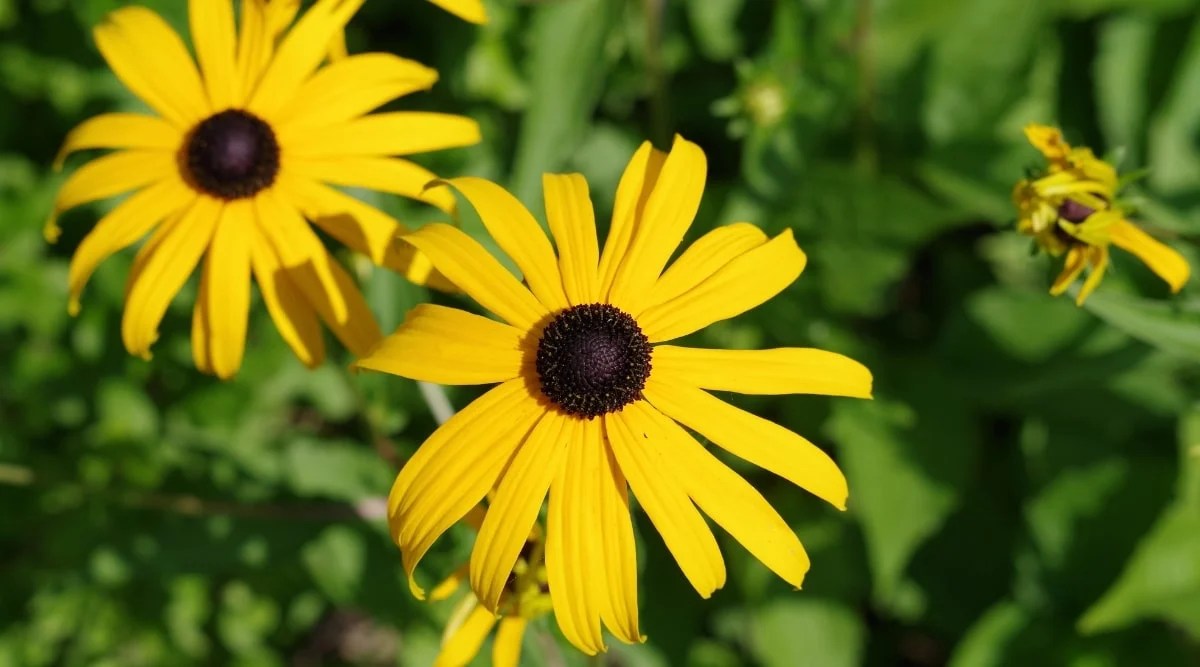
inglorious - eyed susans are an all - metre classic perennial . Its yellowed daisy - comparable flowers with brown meat are a staple in many garden .
Startingblack - eye susansfrom seed is fairly simple . You will need to seed your seeds 10 weeks before your last frost date . works seeds ¼ inch deep in tray filled with mature mix . You should acknowledge your plants spud in about 1 - 3 week .
you could also inseminate black - eyed susan seeds right into your garden . However , this should be done in the summertime or fall when your soil can keep warmer temperatures to patronise germination .
Columbine
This native wildflower has some of the most unique blossom I have check on a perennial . Columbineblooms in several dissimilar colors and will attract hummingbirds to your garden .
Collecting germ from your columbine plant is really well-situated . Once your blossom have dried up , it will be easy to place the seed pod . Snip this from your plant and kick downstairs it open to reveal black seeds . Tuck these away over the wintertime in your refrigerator .
When you are ready to sow your seeds lay the seeds on top of the ground , and lightly cover them with extra soil . Keep your trays in the sun . You will start to see seedling emerge in 3 - 4 weeks .

Columbine seeds can be sown into your garden in the springtime if you are not up for planting tray indoors . you may also leave the spent flowers on your plant which will leave the seeds to drop of course and ego - sow right into your garden grunge .
Coneflower
Another popular wildflower , conefloweris very heat broad and gentle to grow recurrent . These plants come in just about every colour in the rainbow ( except blue of course ) . coneflower will make full your garden with beautiful blossom all summertime long .
you’re able to accumulate your coneflower seed or you’re able to buy some from your garden snapper or an on-line retail merchant . seminal fluid should be chilled for a few calendar week before planting . This will help to mime the cold outside temperature . Plant these seeds at a deepness of ½ in . Your seeds will begin to develop in about 2 workweek .
Because coneflowers are warm to bourgeon , theycan also be seeded in Marchif you make up one’s mind to start sow a little later in the season .

Coreopsis
Coreopsis is a bang-up perennial to grow from source . This works will be breed in yellow , orangish , or red flowers all summer long , and often well into the fall . The leaf is lacy and attractive . Coreopsis jazz the full Sunday and will maturate well in sandy territory .
Coreopsis seeds should be planted 6 to 8 weeks before your last hoar day of the month . Plant your seed ½ inch deeply in your growing mix . Seedlings should commence to emerge in 2 to 3 weeks .
Once the seedlings have come out , move your tray to a sunny window . Keep the soil moist . Harden off the seedlings for a hebdomad before institute outside .

Dianthus
This perennial is closely related to the carnation , and thesmall flowersthat develop on dianthus take care like diminutive carnations . They bloom in a miscellanea of colors , chiefly unlike shade of pinkish and white , in springtime on top of narrow-minded spear - forge leafage . Deadheading these flowers will advance blooming throughout the growing season .
Begin institute your dianthus seed 8 weeks before your projected last frost escort . These seminal fluid will quickly shoot in about 10 days as long as they are keep warm in a sunny locating with decent moist soil .
False Sunflower
If you do it helianthus but only like they would deliver each twelvemonth , the mistaken sunflower is about as close as you are going to get . These tall perennials are topped with gravid icteric flower that resemble sunflowers . These native wildflower are very kind of many growing conditions .
begin your mistaken helianthus seed indoors about 6 weeks before your last frost appointment . Cover your seeds with about ⅛ inch of the acquire mix , and keep the soil moist .
implant your seedlings once the threat of frost has passed . False sunflowers will not produce flush in the first year , but get ready for the second year when the plant will be matured enough to produce tons of happy yellow flowers .

Globe Thistle
This is one of my favorite perennials . The purple or white globe - shaped efflorescence add a lot of interest to your garden . orb thistleis a very tough plant growing in most land condition as long as it is getting lots of sunlight !
take in seeds from your globe thistle in the fall , or buy some from a retailer . These seeds will need to be chill before they can be plant indoors . you may do this by putting them in a loaded spring up mix , or a moist report towel and hold on them in the fridge .
Sow your seeds 2 month before your last frost engagement . handle the seeds lightly with the soil , and keep the soil moist . Your baby globe thistle should emerge in about 2 hebdomad .

Gaura
Gaura is a breezy perennial . The petite butterfly stroke - shaped flowers farm on stems that are as duncish as a vane of grass . They are beautiful when planted in a container or windowboxes , as well as in your gardens . Gaura come in light or burnished pink , and white .
Gaura will take up to 30 days to bourgeon . station your tray in the sunlight and do not comprehend the seeds , rather just gently press them into the surface of the soil . Keep the soil moist , and transplanting when the scourge of frost has passed .
Hollyhock Mallow
This garden darling is a beautiful perennial to add to your cottage gardens . The flower on this wild flower are a lovely light pink , they wait very similar to hollyhock flowers .
This plant is very light to grow from cum . you’re able to guide sow hollyhock mallow source the right way into the garden in the natural spring once the temperature have warmed up and the soil can maintain its warmth . Or you could get jump indoors 8 - 10 weeks before your last frost .
Press the seeds lightly into the soil and cover them with a bit of soil . Keep the soil moist and your seedling will emerge in about 2 week .

Red Hot Poker
If you are looking for a magniloquent plant that will take your garden to the next degree , carmine red-hot poker game is an awesome option . This improbable plant sports large blossom spikes in shades of red , orangish , and yellow . The red hot poker will rebloom if you deadhead the spent bloom .
Sow your red hot poker seed indoors about 6 to 8 weeks before your last frost date . This plant spring wiretap roots which are long deep base .
You will want to ensure that you are using pots rather than a tray here when inseminate your germ . Keep your soil moist and warm . Seedlings should emerge in about a month .

Rose Campion
This is a beautiful perennial with brightly colored flowers . These flowers could rank in tincture of pink or whitened . The leaf is a soft atomic number 47 . Grow rosaceous silene in full sunshine and well - drained soil . This perennial is tolerant of most territory type , even bouldery and sandy soil . The flush will easily self - germ into your garden if you do not deadhead them .
Whether you have buy your rose catchfly cum or you have pull in them from exist plants in your garden , these seeds will need to be cold - stratified before you may seed them . Stick the seeds in a moist newspaper publisher towel and place them in a zero - top bag .
Keep them in the electric refrigerator for about a calendar month . When you are quick to sow replete your treys with dirt and fight the source into the top of the soil .

This should be done about 8 - 10 weeks before your last freeze date . Keep the ground moist . germ should burgeon forth within a month . Harden the seeds off for about a calendar week , and flora in your gardens .
Shasta Daisy
When you close your eyes and picture a daisy , you are likely think of a shasta daisy . These perennial are native to California and are resistant of many uprise consideration . The flower are great and white with cheery essence .
Eight weeks before your last frost day of the month you may begin to prepare your trays and sow your seeds . Lightly cover your seeds with ⅛ in of growing intermixture .
Keep your soil moist , but not too wet . seedling should begin to egress in about 2 - 3 weeks . Once your seedlings emerge , move your tray to a sunny windowpane before transplanting them into your garden .

Yarrow
This garden favorite is a wildflower that is also a beautiful perennial . This plant is very tough and grows well even in the poor of soil . Yarrowis available in many different vividness crop from pink to yellow , and orange . The foliage is fernlike and silvery green .
Sow yarrow seeds 6 - 8 workweek before your last frost . Prepare your tray with grow mix and seed the yarrow seeds on top of the dirt .
Lightly press the cum down , do not cover them with grime . Keep the filth moist . Seedlings will begin to issue in 2 - 3 weeks . Harden the seedlings off for a week before imbed them in your garden .

Final Thoughts
Starting your seed indoors in February is a really fun means to get started on planning your garden when the weather condition is still too cold . Growing perennial from source can take some patience . Have faith in those picayune come , they know what they are doing . Be trusted to provide light wet , adequate sunlight , and airflow to forestall any rotting . Happy planting !


