Summary
leap is an exciting time in the garden!As outdoor temperatures steadily rise up and the 60 minutes of daylight increase , various works , tree diagram , animals , and insect emerge from hibernation . In yourspring garden , you may find Modern growth come forth fromperennial plantsandspring incandescent lamp , signaling the start of the new time of year .
With many garden chores to nail as saltation arrives , do n’t forget to addplant stakingto your to - do lean this yr . Staking give your plant life the proper financial backing they need to thrive , preventsleggy outgrowth , and limits possible damage fromhigh windsor laborious rain . It is peculiarly important for certainflowersthat produce large bloom that may otherwise tumble over from their heavy weight . In increase , staking your plant life also encourage healthy increase , amend air circulation , and decreases the chance of disease .
Discover five blossom you shouldstake in other springto provide reinforcement throughout the growing time of year .

Image credits:servickuz via Shutterstock
1Peonies Benefit From Additional Support
Staking allows their large blooms to grow upright
Adored for their vivacious greenish leaves and fluffy blooms , peoniesare flowering perennial works that make a colourful instruction in yourspring garden . Peonies producelarge , showy flowersin a variety of colors , like pink , red , coral , yellow , and white . They commonly bloom on private stems and , due to their sullen weight , require staking early in the grow time of year . Without right financial backing , their blooms will probably droop from the system of weights of the bloom , sometimes even causing the stems to break away .
How to Stake Peonies
Stake peonies inearly spring , when the first sign of new growing appear , to prevent damage to their root system . Ideally , your plants should be about 6 to 8 inches tall , with no bloom bud seeable yet .
Use one or more methods to gage your peonies :
Botanical Name :

Image credits:Serhii Brovko via Shutterstock
Paeonia
Growing Zones :
Plant peonies inUSDA growing zone 3 to 8 .

Image credits:PlazacCameraman via Canva
Blooming Period :
Peonies flower during thelate spring to early summertime .
Sunlight Requirements :

Image credits:Alexas_Fotos via Pixabay
Grow in full sun , providingsix to eight hours of direct sunlighteach 24-hour interval .
Watering Needs :
Provide peonies with1 to 2 inches of water per week .
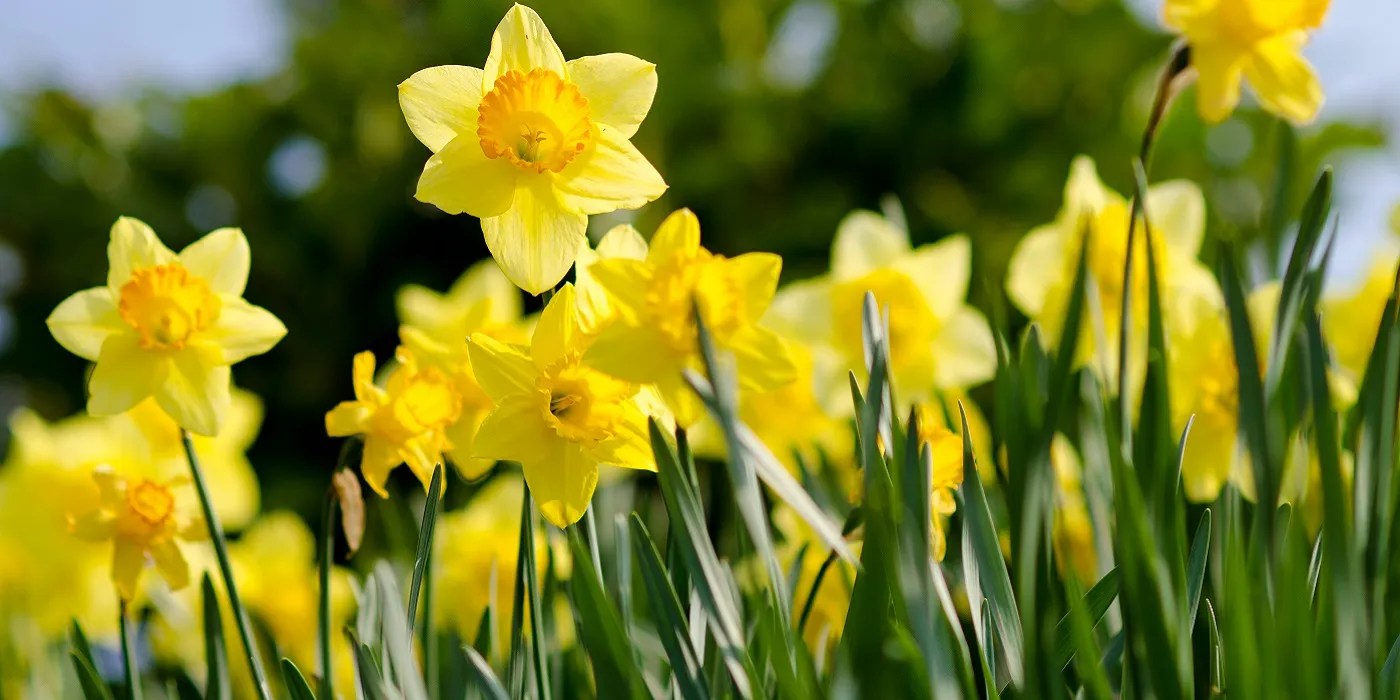
Image credits:Samo Trebizan via Shutterstock
2Hyacinths Produce Top-Heavy Blooms
Staking provides support for densely packed blossoms
Another type of flower that need staking inearly springis hyacinth . hyacinth emergefromspring bulbsin too soon to mid - spring , producing gullible foliage and fragrant bloom spindle in shades of patrician , over-embellished , pink , yellow , and white . Their unsloped spindle are densely packed with little clusters of flowers , and therefore , hyacinths can easily tumble over from their onerousness . By staking your plant , hyacinths will look more visually likeable , and the radical are less likely to flex or break from mellow winds and rain .
How to Stake Hyacinths
To keep their blooms develop just , allow for jacinth with right support . Once flower stalks emerge and the works are approximately 6 to 8 inches tall , you could start adventure your hyacinths .
Hyacinthus orientalis
flora hyacinth inUSDA grow zone 4 to 8 .

Image credits:Moravska via Shutterstock
Hyacinths bloom during theearly to mid - spring .
allow for hyacinths with½ inch of water per week .
Once the bloom open , avoid staking jacinth as the flower stalks are considered more fragile after blooming .
3Dahlias Need Proper Support to Thrive
Prevent flower damage by staking your plants in early spring
If you ’re growingdahliasin your spring garden , verify to allow your plants with funding too soon in the growing time of year . have it away for their liberal blooms that have a unique petal bod and texture , dahlia come in a variety of colourful hues , include pink , red , over-embellished , orangish , and icteric .
But , to keep their flush upright , Dahlia pinnata require staking as their empty , brittle stems shin to support their sizable blooms . Because of this , dahlia are more probable to experience damage , and the stems may easily fall over or wear out from the free weight of their flush .
How to Stake Dahlias
The best time to stake dahlias isshortly after planting , orwhen the plant is about 12 inches tall , to nullify damaging itstubersthat grow just beneath the grease control surface .
Dahlia pinnata
Plant dahlias inUSDA growing zones 8 to 11 .
Dahlias bloom frommid - summertime to settle .
furnish dahlia with1 inch of water per calendar week .
4Select Varieties of Daffodils Require Staking
Provide support to tall or double-bloom varieties
impart a pop of color to yourspring gardenwith upbeat Narcissus pseudonarcissus blooms that areprimarily yellowed , but also appear in other colors like ashen and orange . While not alldaffodilsrequire hazard , sure taller or two-fold - bloom multifariousness will benefit from additional financial backing to keep their bright blooms growing vertically . Varietiesthat may require staking admit ' King Alfred , ' ' Mount Hood , ' ' Dutch Master , ' and ' Carlton , ' which have magniloquent stem that reach 18 to 24 inches in height .
How to Stake Daffodils
To head off prejudicial theirspring electric-light bulb , post daffodils in the early outpouring when the plants are approximately 6 to 10 inches tall . As the uprise season continues , you’re able to also stake any stems that begin to flop , before the blossoms open up up .
Narcissus
flora daffodils inUSDA growing zones 3 to 9 .
Daffodils bloom fromearly to late spring .
render daffodils with1 column inch of water per workweek .
Narcissus pseudonarcissus need plenty ofdirect sunlight . Without sufficient sunlight , daffodils are more likely to originate weak , leggy staunch that shine over from the weight of their flowers .
5Sweet Peas Grow on Long Vines that Need Support
Install a tall trellis for trailing vines to climb up
Sweet peasareflowering plantsthat grow long vine that create pocket-sized , dainty blooms in shades of pink , over-embellished , cerise , and white . Sweet peas are innate climber that require stake in social club to plunk for their train vines . Without proper support , their vines will sprawl out along the ground , often becoming dishevel and unruly .
When train to originate vertically , sweet peas get more sunlight and have practiced melodic line circulation , which increase flowering and fix their chance of disease .
How to Stake Sweet Peas
Since sweet peas areclimbing plants , stake them at planting meter in early fountain , or when shoots are 4 to 6 inches improbable so that their longsighted vines will grow up the reenforcement structure . honeyed pea get tendril , which will automatically catch onto structures . Since their climbing vines canreach up to 10 animal foot tall , install a tall wooden or wire trellis , or posts for accompaniment .
Lathyrus odoratus
Plant sweet pea inUSDA grow zones 2 to 10 .
unfermented peas blossom fromlate outflow to early summertime .
Provide sweet peas with1 to 2 column inch of water system per week .
Stake Flowers in Spring for Vigorous Growth
Whether you are growingspring bulb , perennials , or annuals , develop yourspring gardenfor the upcoming season by staking your industrial plant inearly spring . Flowering plants that benefit from additional support for their blooms include peonies , hyacinth , dahlias , daffodils , and odorous peas . Remember to stake your plant before they are base , to deflect damage their base system , and encourage sizeable , vigorous growth throughout spring !
