Related
Planting a native garden is a great low - criminal maintenance choice for gardeners of all floor . Native plants expand in their natural habitats since they are better adjust to the local climate . Many aboriginal metal money are more tolerant of drought and pestis and therefore require less watering and pesticide use .
A native garden enhance the rude ecosystem , promoting garden health and longevity . Incorporate native trees , shrubs , wildflower , grasses , and other land - cover to love the many benefits of aboriginal gardening !
A Step-by-Step Guide to Creating a Native Garden
1. Evaluate Your Landscape
ikon Credits : musclemac via Pixabay
The first step to create a native garden is to acquaint yourself with your backyard landscape painting and climate . Look around to pick up any aboriginal plants that may already be prosper in your 1000 space . If you ’re start from scratch , do some research on flora coinage that may have previously live on your attribute .
square up whether you ’re plant in full sun or shadowed environments . The amount of sun received greatly impacts the types of works that fly high in certain areas of your backyard .
Next , check out your soil . Is it a dense , water system - retain the Great Compromiser soil or a well - draining sandy mixture ? While you canamend pitiful soilin your yard , many native species fly high in pre - existing conditions . do aDIY soil testif your dirt consistency is difficult to determine .
2. Source Native Species for Seasonal Interest
Image credit : manfredrichter via Pixabay
Once you ’ve determined your planting environment , oppose your plants to your particular climate . aboriginal garden render all - time of year appeal when planned aright .
Start a lean of native spring , summer , and fall - flower species . make up one’s mind how native flora look as they brave out through the seasons and so you may severalise when they need a hike . Utilize plants with foresighted flower period or decorative foliation that remains after flower are spent . plant that bring out colorful seed - heads after flowering are dandy for wintertime appealingness !
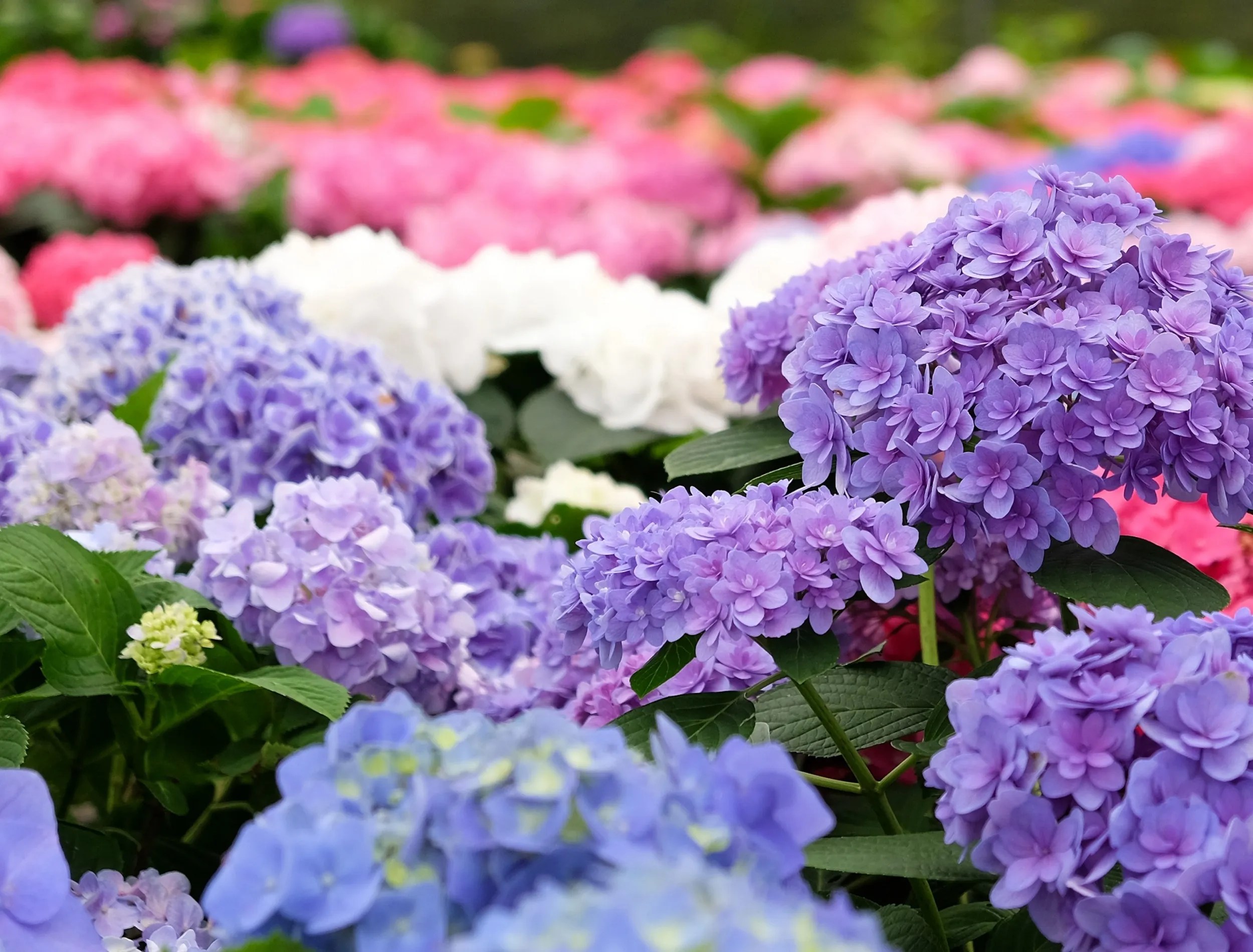
3. Use Color, Texture, and Foliage Variety
icon Credits : JamesDeMers via Pixabay
When image a garden infinite , it is important not to block perennial shrub , Sir Herbert Beerbohm Tree , or locoweed options . blossoming shrubsmake not bad space - fillers and natural privacy screens , while the barque of trees add interesting texture to your space . Nativegrassesorground coverslook beautiful in the space between focal plant .
make out up with acolor schemethat oppose your home and circumvent landscape painting . Adding spattering of color among white flower or light-green foliage is a with child way to make your garden pop !

4. Plant for Pollinators
figure of speech Credits : Isabel Herrera via Unsplash
Turn your backyard into apollinator - well-disposed environmentfor uniform garden health and successfulness ! As all gardeners know , flowering plant call for pollination for realization .
ambrosia - full-bodied flowers attract hummingbird and butterfly stroke to your backyard quad and lants that grow berries in late summer or early free fall entice chick migrating south for the winter . establish for pollinators not only benefit your plants but also translate your curtilage into a wildlife seaport . aboriginal Sir Herbert Beerbohm Tree , shrubs , flowers , and foliation provide habitats , nourishment , and predator protection for your beautiful pollinator friends !

Add a simplewater featureto give songbirds a place to pledge and bathe . Keep your water feature of speech clean and watch how the glint and auditory sensation of running water supply attract creatures and entices them to fall throughout the time of year .
5. Map it Out
range credit rating : Toa55 via Shutterstock
Once you have some plant life estimation in head , the next step is to represent out appropriate locations . Create a simple drawing of your space , note sun conditions and where soil drainage might be hapless . Then begin your native garden design !
There are a few simple rule to keep in intellect when planning a garden for maximum eye entreaty . The first is planting similar works in clusters of odd numbers . Plant fillers around focal points to draw the optic and create an intentional feel . This is where some nice papa of colorful plants really shine ! let in decorative foliage around flowering plant to keep the appeal even after bloom season .

It is important to keep in brain how tall your industrial plant will grow when fully matured . Plan fit in so you do n’t stop up block the horizon of other plant in your garden !
you’re able to also utilize the rocks on your prop as focal points or asrock gardens !
6. Eradicate Weeds
Image credit : photoAC via Pixabay
Before you begin plant , eradicate anyweedsthat are growing in your garden . This eliminates the challenger for space and nutrients as you constitute your new babies . Additionally , you will know where to look when it get along to your next weeding academic session .
7. Pay Attention to Plant Tags
picture cite : cocoparisienne via Pixabay
Plant rag that fall on newly - purchased specimens ply useful information on dirt , light , urine , and space requirement . This information helps you aggroup plants with like needs together . Things to await out for when plant dissimilar foliage together include lachrymation instructions , dirt preferability , and abstemious requirements .
While a species may indeed be native to your location , that does n’t necessarily entail it can thrive just anywhere .

take note the appropriate time of year for planting is also primal . Generally , planting is done in the bed wetter , cool months of the year .
8. Plant Seedlings for Visual Aid
Image Credits : Miller_Eszter via Pixabay
Planting from scratch is difficult when you ’re adjudicate to make a cohesive look . Therefore , select seedlings over seed for some extra help ! By planting seedling you ’ll still delight nurturing your plants to adulthood without as much guesswork about the final resultant role . This also enables you to space your plant befittingly and immediately show off your handy work !
9. Edge Your Gardens
look-alike credit : E.Va via Shutterstock
While native gardens tend to have a more innate , violent flavour , that may not be the esthetic you ’re going for . To create an get up , uniform look , edge around your garden beds with materials such as wood , stone , or brick . Edging is a expectant elbow room to make even a wildflower garden look polished !
Native Garden At Last!
Native horticulture is a great elbow room to support your local surroundings open your plants the best chance for survival . Already adapted to the clime and landscape painting , native species thrive when given proper care .


