shrub
Viburnum are a shrubby flora that can make a hardy increase to any garden space . Once show , they are reasonably miserable - sustainment , and can get across several hardiness zone . In this article , horticulture expert Jill Drago partake her experience with viburnums and all vista of their upkeep .
Contents

Viburnum are a large group offlowering shrub . genus Viburnum deviate greatly within the genus , with no real feature tying them all together . Theseshrubs often have blank flowersand almost always have colourful Chuck Berry that follow the flowers .
These shrub are native to a big part of North America , and because of this , they are typically reasonably low - sustentation . genus Viburnum do not need much water once they are show and require little pruning if they are planted in the correct quad .
countenance ’s learn about these aboriginal beauties ! We will find out how to use it in your landscape , andhow to grow it with ease . You ’ll also get suggestions for a few democratic varieties .

Viburnum Shrub Overview
Plant History
genus Viburnum are native to both North America as well as regions of Asia . It is a very enceinte group of industrial plant that consists of over 150 nominate coinage andcountless varieties .
Viburnums are a fishy group of inflorescence shrub . There are countless species , but there is n’t any singular machine characteristic that ties the group together .
There are two similarity , however . Theirfruit type is a drupe(fleshy fruit with a heavy seed inside- think of a peach , but much little in the case of a genus Viburnum ) , and theirleaves are polar . This means the leaf on either side of the stem grow directly opposite from each other from one growth stage or node .

Cultivation
genus Viburnum are a big genus with over 150 unlike species . However , there are10 speciesthat are considered to be the most common and most lie with .
Viburnum x burkwoodiiis a fragrant viburnum that is hardy in zone 4 - 8 . This viburnum will grow from 8 - 10 human foot marvellous and the foliage is semi - evergreen .
Viburnum carlesiimay just be the most used genus Viburnum . It is popular for its fragrant flowers . This speicies typically uprise anywhere from 4 - 6 human foot tall , however some salmagundi have been know to reach out 10 substructure . Korean Spice viburnumis hardy in zones 5 - 8 .

Viburnum davidiiis another adorable alternative for your garden . This mintage turn in a nice mound form growing from 3 - 5 feet magniloquent . The flower lead off as pink and melt quickly to white . The berries are often racy and showy . David viburnumis unfearing in zone 8 and 9 .
Viburnum dentatumis a great genus Viburnum for partial shade garden . The flowers are white and are often followed by patrician berries . Arrowwood viburnum will grow from 6 - 10 feet in geographical zone 2 - 8 .
Viburnum henryiis easily trained into a tree diagram form and will grow from 7 - 15 foot grandiloquent in partial sunlight . The leaves are evergreen and hold an attractive fall color . produce this strong mood metal money if you are in hardiness zone 7 - 10

Viburnum lantanais a improbable genus Viburnum species that can be a bit leggy but still has beautiful flowers . Grow this species in full to partial sun and it will reach between 10 and 15 feet in pinnacle . Grows best in zones 4 - 7 .
Viburnum lentagois a drouth - patient of plant that boast livid flush that will last into the capitulation . Once the bloom have dropped , there will be a large routine of berries present on the shrub .
produce nannyberries in full to partial sun , and the bush will turn from 14 - 16 base marvelous . This mintage grows best in hardiness zone 3 - 7 .

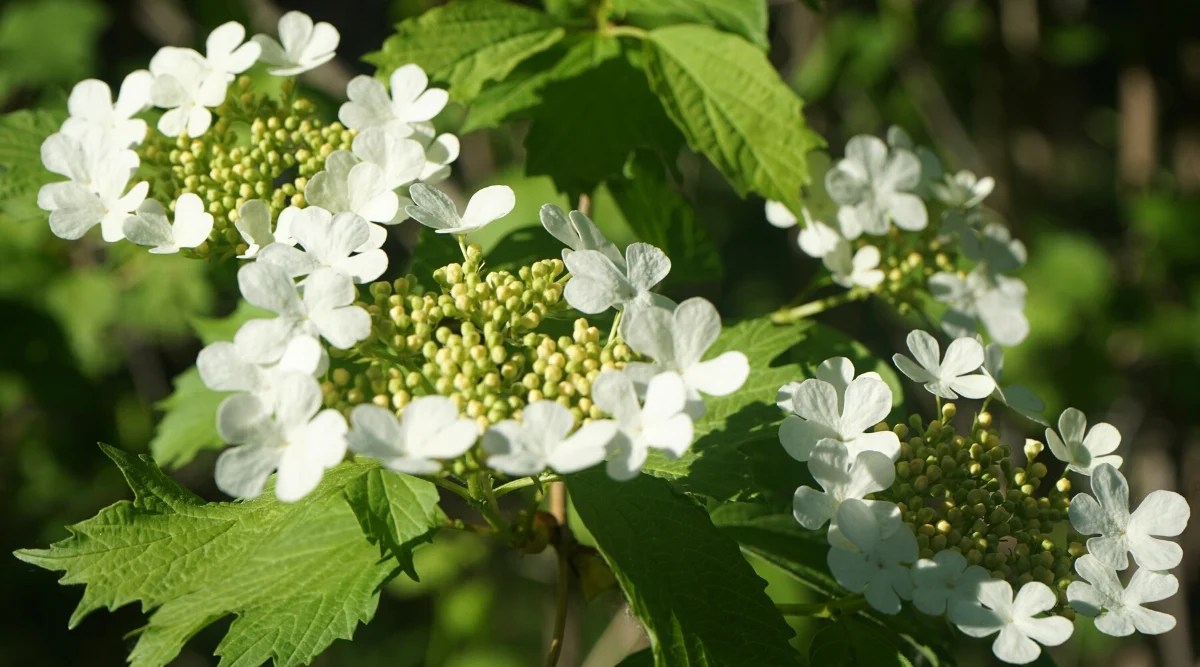
Viburnum opulusboasts snowball - similar prime . Many Viburnum have these rounded flowers , but this is the most common species .
This coinage is considered to be invasive in some areas , so check your invading works list before purchase . The snowball bush will grow from 8 - 15 feet in full or partial sun . Plant this species in zones 2 - 8 .
Viburnum rhytidophyllumis a semi - evergreen viburnum , drip its leave in cooler climates . Its prime are two-dimensional rather than ball - shaped but still beautiful . The leatherleaf genus Viburnum will grow from 6 - 15 feet tall in full to partial sun . Grow this species in zones 5 - 8 .
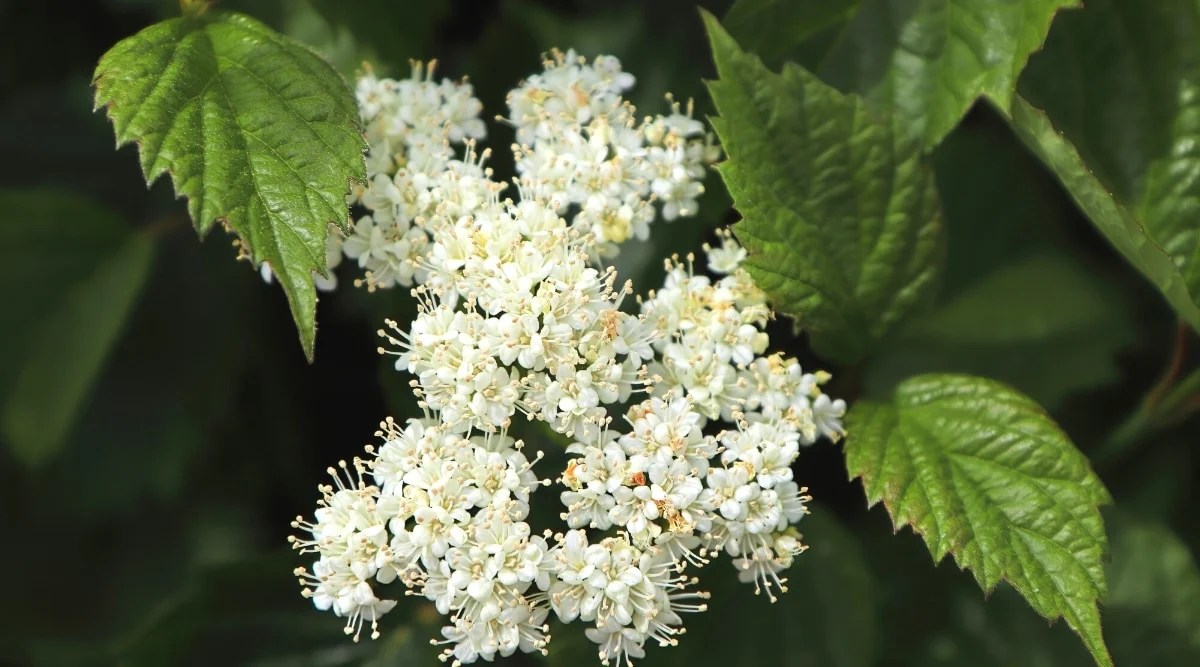
Viburnum tinusis an evergreen plant viburnum with pinkish to white flowers . This species will grow from 6 - 12 feet marvelous in full to partial sun . Grow confidently in hardiness zones 7 - 9 .
Propagation
The easiest and most successful way to propagate your genus Viburnum is through lease softwood or hardwood clipping and rooting them at home . The process for both is pretty much the same .
Planting
Planting viburnum shrubs is a breeze . Once you have found a smear in your garden , you will just want to apprehend a nice large hole .
Aim to make this hole about twice the size of the rootage ball of the viburnum . Situate your industrial plant in the center of the hole and backfill with your garden soil .
pee thoroughly and keep your heart on your newly planted shrub for the residuum of the grow season . These shrub are drouth - tolerantwhen they are well established . However , they will need to be water more on a regular basis when they are freshly plant .

How to Grow
When growing viburnum shrub , it ’s important to converge their outgrowth needs by provide an optimum environs . You ’ll want to make certain to provide them with adequate sunlight , water , and plant food . You ’ll also need to ensure that they are planted in the proper dirt pH , as well as being planted in the good climate . Let ’s dig a little deeper into each growth gene .
Light
Viburnums in the main opt to grow infull Sunday , although they aretolerant of some partial shade . If you live in a warm climate , it is a good idea to make certain your viburnum is go some shade in the good afternoon to preclude piss exit and crispy leaves .
Water
genus Viburnum need aboutone inch of water per calendar week . This can either be from irrigation or rainfall . If you are not sure how much piddle your gardens get , I would suggest using a rainwater gauge to ensure your plants are generate the water they ask .
While your viburnum is getting show in your garden , you will want to keep a penny-pinching eye on your shrubs to make trusted they do not dry out too chop-chop . Many Viburnum are native to North America and will be drouth - tolerant once they have matured .
Soil
When you are pick out a site to plant your viburnum , do your in force to obtain some well - draining soil . Viburnum do not like to have pie-eyed feet .
As far as soil pH goes , genus Viburnum are fuck to be acid - lie with plant . However , there are some varieties that are more tolerant of a neutral pH. Do your homework before you purchase your shrubs . If you are not sure what your dirt pH is , do a quick grunge test .
Climate and Temperature
While this may differ slightly between coinage , viburnums are in the main hardy inzones 4 - 8 . They favor moderate climate . If you live in a warmer climate , the shrubs will profit from some afternoon shade .
Fertilizing
Viburnums do not require much when it comes to fertiliser . One practical software in the spring of abalanced fertilizerwill suffice .
ensure you have squeamish rich dirt is a great agency to ensure that your viburnums are getting the nutrients they need . you may do this by adding compost to the surface of the soil once or twice a year .
Pruning
Pruning viburnums is not always a necessary garden chore . If you would care to cut your shrubs to exert a specific height , this is best done in the early saltation .
Once the wintertime extend , remove any low or weakened leg .
If you need to give your viburnum a really good pruning , or a rehabilitation pruning , this is best done in the early bound as well . You will lose your blossom for the season , but yourplant will be rejuvenate and back to its beautiful selfnext twelvemonth .

Popular Varieties
There are a few popular varieties that you ’ll see utilized in very unlike ways . permit ’s take a look at some of the most popular varieties you are likely to see in display garden .
The looker of this viburnum is in the berries . But before the berry get in , this compact bush will be covered with Abronia elliptica - shaped creamy bloodless flowers .
Once the flowers fade , the vivid blue - colored berry arrive and cover the bush in the late summer and will last well into the winter . Throughout the growing time of year , the foliage is a shiny dark green . The leafage will then change state to shades of gold or purple when the temperature shed .

The bluish muffin viburnum is a enceinte pick for understructure plantings , as well as hedges and even smaller gardens .
If you are bet for a viburnum that will make a argument in your yard , the easterly sweet sand verbena is a great selection ! This shrub is covered in ball - shaped blooms that powerfully resemble hydrangea flowers . The leafage is brilliant light-green during the summer but will fleet to a squeamish shade of purpleness in the drop .
set the eastern snowball pretty much anywhere in your garden . The flowers will show themselves off no matter where you plant them . Try planting this viburnum as a backdrop to your perennial garden , or as a statement shrub near a window where you wo n’t miss the flowers .
‘ Korean Spice ’ viburnum is a somewhat sized bush , work it easy to meet into your gardens . The flowers are a light wraith of pinko , which start blooming in the spring . Once the flowers have go past , scarlet Chuck Berry will come along . These berries will wither to black in the fall . The cryptic green foliage will twist to rich shades of red in the fall .
This Is a beautiful viburnum to plant near your patio or near your kitchen windows . Anywhere that you will be able to enjoy their fragrant flowers .
Pests
In general genus Viburnum are pretty resistant to any majorinsect infestations . However , there are some rough-cut garden pests that may show up throughout the time of year that have been found on viburnums .
Aphids are tiny green dirt ball that draw the life out of the leaves and stanch of your plant . These common pests are found in large quantity and can do a estimable amount of damage if they are left untreated . You may notice their damage byspotting the yellowing of leaves and stems , as well as by hear the insects themselves .
you could spray aphid off your plant using the spray of your hose , or you could use insecticidal soap or horticultural oil to control them . Whichever method acting you choose , be certain to make contact with the aphids themselves .

These small fly insects dine on plants the same way aphids do . Thrips will take in the spirit out of leaves , flowers , and berry . You may observe yellow splotches on otherwise healthy plant tissues .
Because thrips are flying insects , they can be a piddling guileful to ensure . continue your garden neat and your viburnums well cared for is the honest way to keep your industrial plant healthy and strong . If you feel yourself with a thripid infestation , insecticidal soaps can work by smothering the thrip .
Scale insect can induce severe dieback if they are leave untreated . The nightwalker stage of this insect will lead off to come forth with young growth in the leaping . These insects are so flyspeck at this stage you credibly wo n’t see them .

Once the crawlers settle down and feel a sound alimentation fleck , they will start to make a waxy surface around themselves which will protect them and also make ascendency unmanageable .
you’re able to pluck the scale off of your genus Viburnum with your hand . If you have a serious infestation , it isbest to prune the outgrowth flop off your plant . Horticultural crude oil spray in the outflow can also help to get free of the ass-kisser before they make their armour .
These pesky dirt ball will sop up on the tissues of your plant . They are small , and you likely will not notice the worm themselves . What you will notice is thewebbing they make to protect themselves and their eggs .

You will mark small spots on the buns of the leave-taking . The damage will spread to the tops of the leaf as the wanderer mite universe booms .
Spider mite are attracted to industrial plant that are under stress . Prevention is your well cadence here . Keep your viburnums well - watered to help keep these louse at bay . Spray your hosepipe at your viburnum to knock the insects off of the plant life . If this does not work , you could use an insecticidal soap or horticultural crude .
This beetle is probably the largest scourge to viburnums when it fare to insects . The viburnum folio mallet feed entirely on viburnums . The larvae as well as the adult beetle will nibble on leaves , leavinglarge holesthroughout .

Using horticultural crude oil is your respectable bet . If you have a really bad infestation , imidacloprid applied as a drench will work for you .
Diseases
Similar to pests , these shrub can be affected by a few unlike diseases . The abide by diseases are those that you will be most likely to happen , as well as a few crown on preventing them from taking over your plant in the first place .
Canker is get by a fungus calledBotryosphaeria . Like many other diseases and ailments , canker sore is more predominant on Viburnum that are stressed .
If your viburnum has any combat injury , this is where you will see canker forming . The fungus will work itself into the wounding and cause sunken areas . As these cankers procreate , they will eventually connect to one another and deaden the plant . This will result in plant life death .

Prevent cankers bykeeping your genus Viburnum water . If you see cankers on your shrub , your skillful bet is to prune the infected branches and burn them .
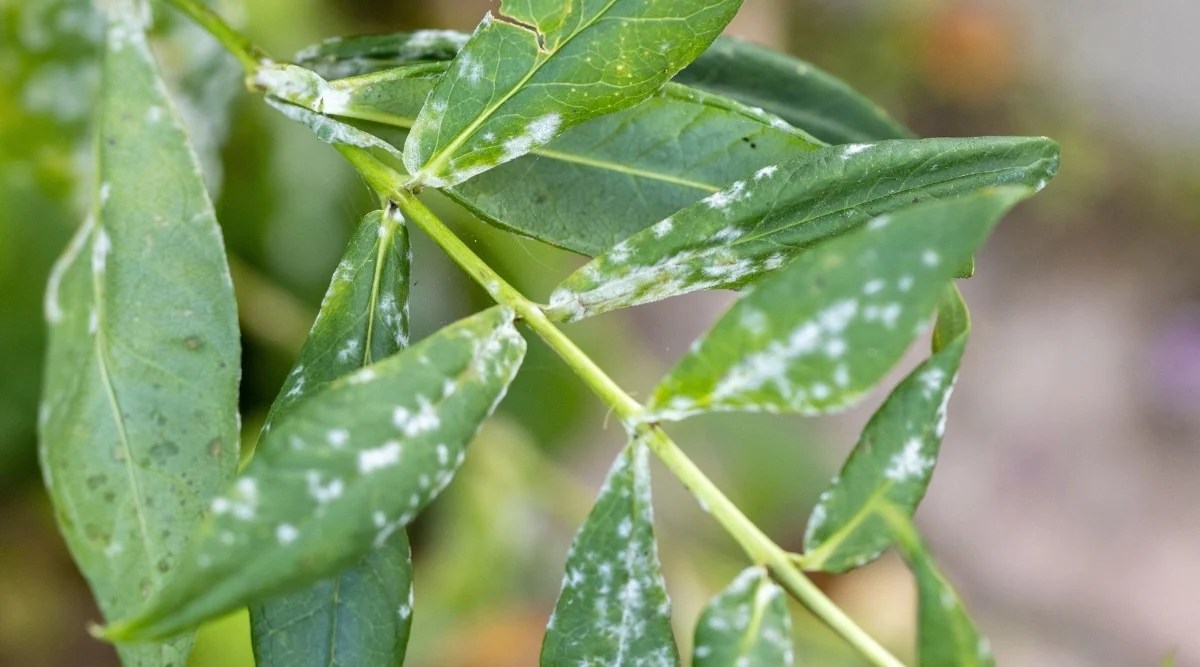
This is a common garden disease . Powdery mold typically show up when the weather gets more humid . The extra wet in the tune promotes fungal growth , and blast , you ’ve got yourself some powdery mildew . fortunately powdery mold wo n’t be too damaging to your Viburnum .
Keep your garden clean byremoving plant debris from the soil , and also by get rid of leaves from within the bag of the bush . This will help to prevent powdery mold from developing . If it is too late for prevention , horticultural crude oil can help , as can other antifungal agent you could discover at your garden center .

This is another fungal disease , but this one affects the root system of your viburnum . You may not notice any symptoms of root rot , other than the plant suddenly die .
If you do notice that your viburnum is suddenly drooping , hasyellow leavesall over , or is dropping its leaves dead , you may have root decomposition . These symptoms probably sound a lot like a industrial plant that has too much water , or too little weewee .
The path to find out if it is fungal root bunk is to strip down aside some bark from the base of the plant life . If you see white fungus beneath the bark- you have fungal root rot .

There is not much you could do once a industrial plant has become infected with ascendant bunk . Preventing it is easily done with cultural practices . ensure that your viburnum is properly watered is a dear way tokeep this disease from take clutch .
Plant Uses
If you are looking to create a very low maintenance garden that is not only beautiful but also benefits the environs , adding viburnums is a great place to embark on . These bush do not call for much fertilizer , or water . Their berry provide food for thought for birds , and their flowers pull many beneficial pollinators .
Viburnum make forgreat hedge or privacy screens . Not all viburnums are evergreen , so if you are look for year - round privacy make certain you choose an evergreen genus Viburnum .
genus Viburnum are also beautiful specimen plants . The blossom are showy , and many specie and varieties have Berry that are equally as beautiful provide year round pastime for your garden .

Frequently Asked Questions
If you are noticing that your viburnum is not pump out the amount of flowers you were hoping for you should check its growing consideration .
First , genus Viburnum bloom best when they are institute in full sunshine . This means at least 6 hour of Sunday . But really 8 - 10 is better . These plants do benefit from a short turn of afternoon shade if you know in a warmer clime . This will facilitate to keep the plant from losing too much weewee . But , if you are trying to get your viburnums blooming you will need to focus on the sun .
secondly , mark off the amount of water your plant is getting , as well as the soil type your genus Viburnum are grow in . Viburnums do not like having fuddled roots , if the soil is not drain well enough your industrial plant may not grow flowers .

A introductory plant food will aid your flora to grow skilful healthy vegetive and flowered ontogeny . Apply fertiliser in the spring .
Viburnum do not hold major toxic qualities . There are some species that produce berries that are made for jam . However , there are also some specie that produce berry that are slightly toxic . So to keep things on the safe side , do not ingest any part of the viburnum flora .
In some areas of the United States Viburnum are on the trespassing plant list . This is a new determination . It is unknown why the plants are pass around rapidly in some areas .

The viburnums you purchase from a garden gist in all probability will not take over your garden . They will grow as expected . Do a turn of research to see if viburnums are considered to be invasive in your area , and check which species are invasive .
Yes ! This is a enceinte option if you do not have a lot of garden blank space that get a lot of sunshine . You will need quite a large pot though . When you get set forth pick out a pot that is twice as wide as the antecedent ball of your viburnum . Use good quality potting mixture , and locate your pots in full Sunday !
Final Thoughts
Viburnums are beautiful flowering shrubs . I have sex them for so many reasons . Their size and shape , their stunning flower , and theirvibrant berries make this shrub a must - grow in your garden . If you are looking for a low-pitched - alimony plant for your gardens , I urge you to give a viburnum a attempt ! Your garden and your local wildlife will thank you !